

Strings of Resilience: A Life Shaped by Music, History and Purpose
By Sandee Hamatani
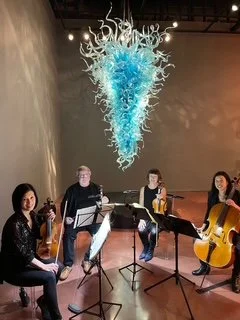
In a quiet neighborhood in North Seattle, Mari Horita picked up a violin at age six not because she loved it, but because her best friend did. The friend quit within months. She didn’t.
Decades later, Mari — now a senior vice president for the National Hockey League’s Seattle Kraken —still plays. Not for a living, but for something deeper: continuity, discipline, and joy. Her life, like the music she’s practiced for nearly all of her life, is built on persistence, adaptation, and listening closely to the world around her.
“Everybody has an internal driver or a purpose or reason in life,” she says. “I do have a sense that I need to feel useful.”
But her story begins long before her own childhood.
——-
Her parents rarely spoke about the past. Not because it wasn’t important, but because it was.
Her father Akira was just a teenager when his family left Seattle voluntarily during World War II, relocating east of the Cascades to Moses Lake, WA before the U.S. government’s forced incarceration orders took effect. Her mother Lillian’s family wasn’t spared. Like more than 120,000 Japanese Americans, they were forcibly removed and incarcerated for the duration of the war. She spent those years in Minidoka.
When the war ended, Portland, OR—where Lillian’s family had lived—was not a place they felt they could return to. Hostility toward Japanese Americans lingered. So they moved north to Seattle, where Lillian would attend the University of Washington and meet her future husband. Lillian went on the become a school teacher and Akira, a professor in the departments of Pharmacology and Psychiatry & Behavioral Sciences.
They built a life from scratch.
“They had no money,” Mari says. “It was all taken from them.” Housing covenants still limited where they could live. They settled where they could, raising their daughter in a modest neighborhood, focused less on comfort than on survival and stability.
They didn’t talk about what they had endured. Her father was stoic. Her mother, shaped by trauma, couldn’t easily revisit those memories. “I had to find it out on my own,” she says.
Yet their influence was everywhere—in what they did, not what they said. They showed up. They worked. They made sure their daughter had opportunities they never did: violin lessons, sports, education.
“They weren’t emotionally expressive,” she reflects. “But they were always there.”
——-
Music became one of the first places Mari found both structure and identity.
By elementary school, she was concertmaster. By middle school, she had secured a transfer into a stronger music program with the help of a recommendation from the conductor of the Seattle Youth Symphony. By high school, she was leading orchestras and performing solos.
She was good—good enough to consider going further.
Her senior year, she studied with a teacher in Vancouver, British Columbia, driving hours each week for lessons and playing with advanced musicians. For a moment, she considered a professional career.
Then she made a decision that would define the rest of her life.
“I realized I could work incredibly hard and maybe sit in the second violin section of a B-level orchestra,” she says. “And I would probably be struggling financially and maybe end up resenting it.”
She chose not to turn her passion into pressure.
“I loved it too much to make it something I depended on.”
Instead, music would remain a constant—something she returned to throughout her life, not for achievement, but for fulfillment.
——-
If music offered clarity, her professional path did not.
Her parents, shaped by their own disrupted lives, didn’t guide her toward specific careers. “They didn’t know,” she says simply.
She graudated with a degree in Asian Studies from Pomona College in Claremont, CA, drawn by a desire to better understand her own heritage. After graduating, she wasn’t sure what came next—a feeling she recognizes in many young people today.
She worked briefly, applied to law school, and then did something impulsive: she moved to Japan with little more than a month’s rent and a place to stay.
There, she pieced together a living—doing translation work for low pay and teaching English for much more. By the time she returned to the U.S., she had saved $2,000 and gained something more valuable: confidence.
Law school at the University of Washington followed, then a job at a large firm. It didn’t take long to realize it wasn’t the right fit.
“It was stressful. I liked the people, but not the culture,” she says. “But I didn’t know what else to do.”
So she kept going—contract legal work, nonprofit volunteering, eventually a graduate degree in nonprofit management. She moved to Denver, CO after getting married and having a child, stepped away from work for a time, then returned through legal recruiting.
Her career, like many, was nonlinear—shaped as much by circumstance as by intention.
——-
Mari’s turning point came when she became CEO of ArtsFund, a Seattle nonprofit she had supported for years.
She almost didn’t apply.
Historically, the role had been held by older, well-connected white men. She was none of those things. Even her own references told her she was unlikely to be selected.
She applied anyway—and got the job.
Once inside, she confronted a system that no longer matched the city it served. Funding structures favored a handful of large, traditional arts organizations, leaving dozens of smaller, emerging groups with limited support.
So she worked to change it.
“We blew that up,” she says. “It wasn’t meant to support just a few. It was meant to support the whole landscape.”
The shift was controversial. Some organizations pushed back. But she believed it was necessary—to reflect a changing city and broaden access to resources.
It was a pattern that would repeat throughout her career: stepping into spaces not designed for her, then reshaping them.
——-
Her next chapter began almost by accident.
While trying—unsuccessfully—to secure a meeting with the leadership behind Seattle’s new hockey team, she persisted through repeated cancellations. Eventually, she met the CEO Tod Leiweke in person at an event.
Instead of asking for funding, she simply had a conversation.
A week later, the team called her.
They didn’t offer a specific role. They offered a challenge: help build the organization’s social impact and community strategy from the ground up.
She accepted.
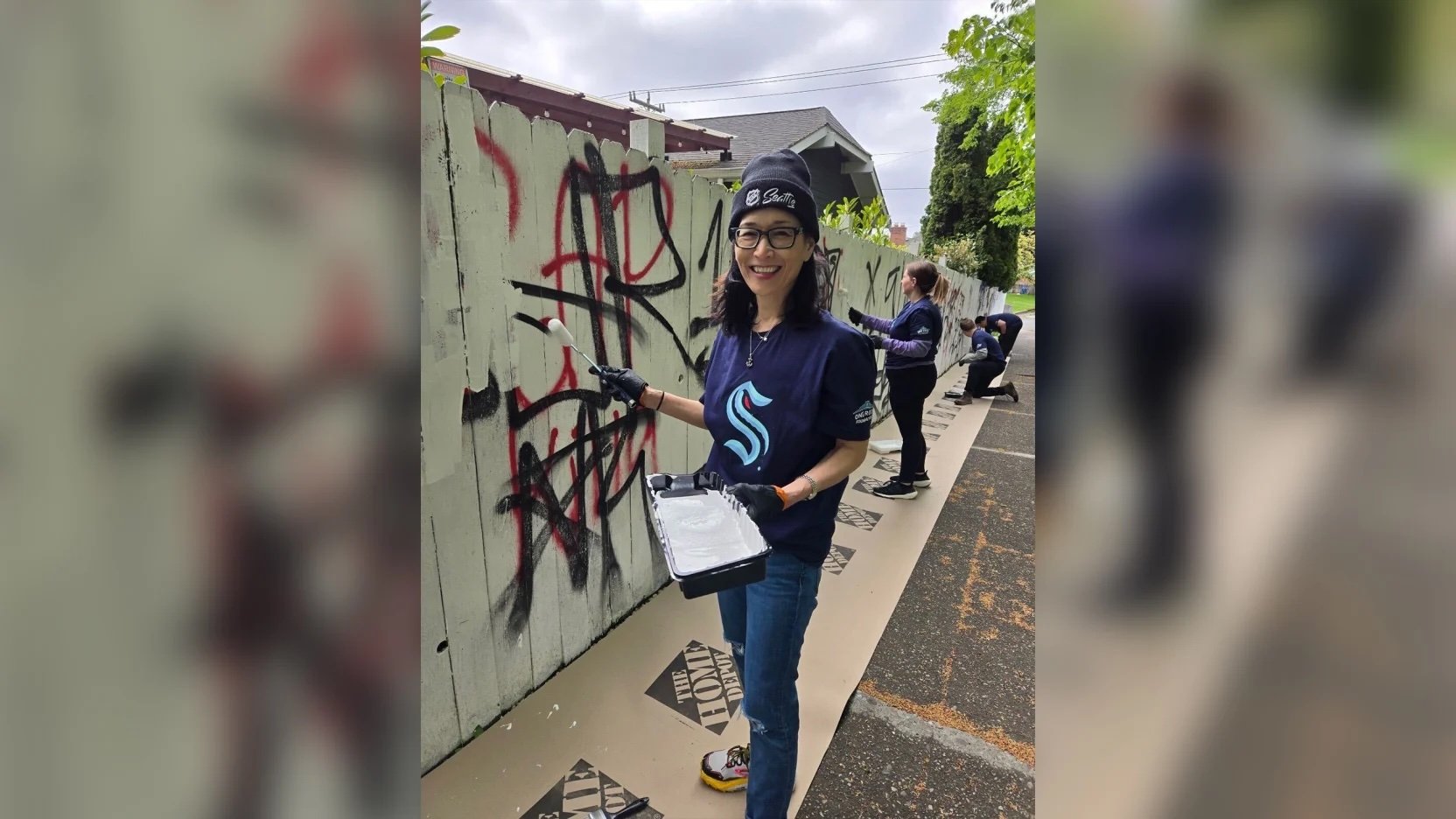
Today, she is the Senior Vice President of Social Impact and Civic Affairs at One Roof Sports and Entertainment, parent company of the Seattle Kraken team. She is also the Executive Director of One Roof Foundation, the philanthropic division of the team. In her dual roles, she leads social impact, philanthropy, and civic engagement efforts, helping define what it means for a professional sports organization to serve its community. Her work spans issues like youth homelessness, access to sports, and environmental justice—all guided by partnerships with experts and community leaders.
“We’re not the experts,” she says. “So we ask: who is?”
Her philosophy is simple but powerful: real impact requires listening, collaboration, and long-term commitment—not just symbolic gestures.
——-
In 2021, after the Atlanta spa shootings, she co-founded a campaign called Our Stories Are Your Stories, bringing together Asian American voices to share personal experiences.
The goal wasn’t outrage—it was healing.
“We wanted it to feel like a big hug,” she says. “To remind people: we’re okay, we’re here, and we should be proud of who we are.”
The project resonated widely, particularly with young Asian American women who saw their own experiences reflected back at them.
For someone whose own family history had long gone unspoken, helping others tell their stories felt especially meaningful.
——-
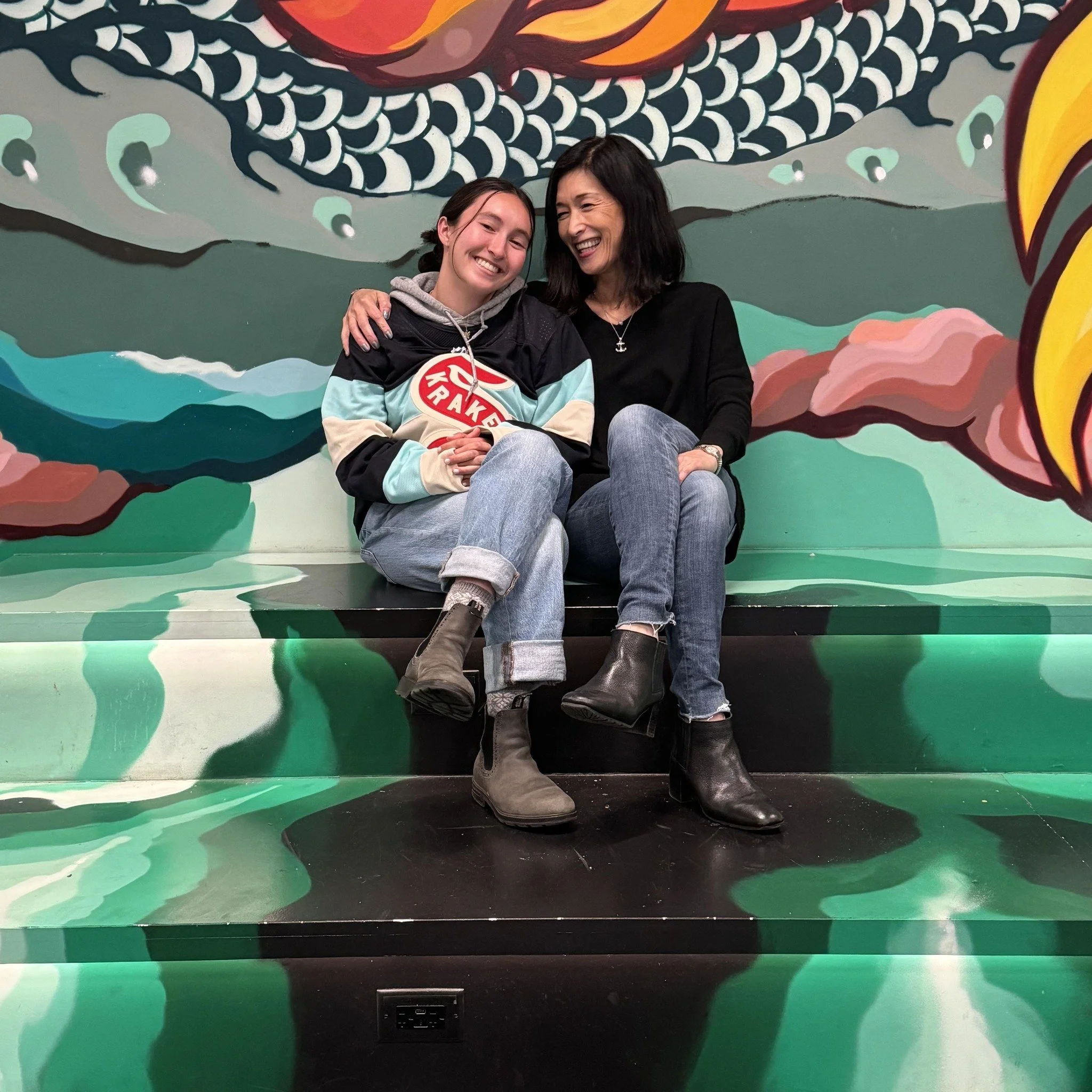
Of everything she has done, Mari is most proud of one thing: her daughter, Naomi.
Mari
At 21, Naomi is an accomplished student and athlete, a two-time world champion in ultimate frisbee, and, in her mother’s words, “just a good person.”
Their relationship is different from the one she had with her own parents—more open, more expressive. Naomi hugs her grandmother goodbye and says “I love you” every time they part, something that rarely happened in the previous generation.
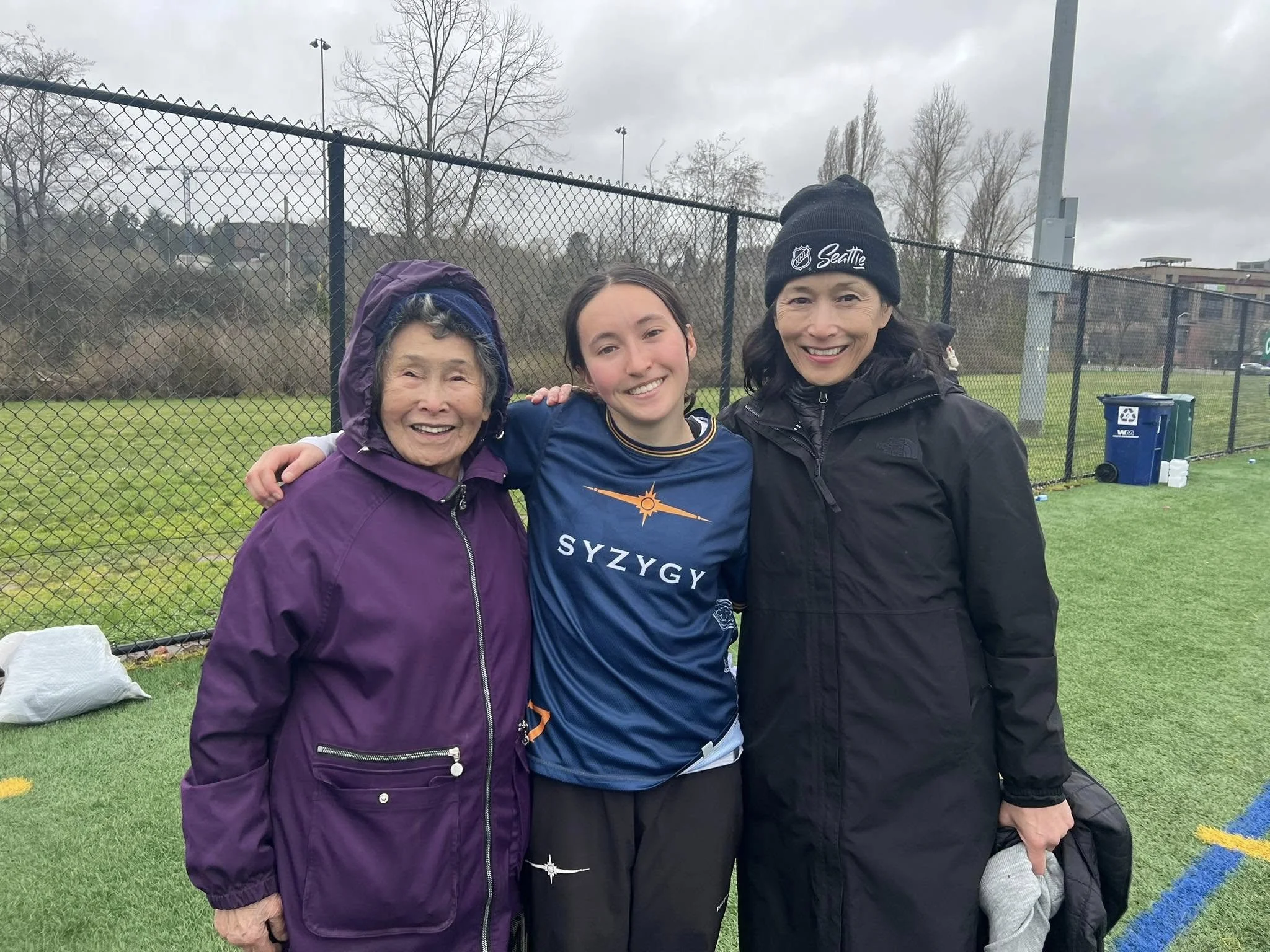
It’s a quiet but profound shift.
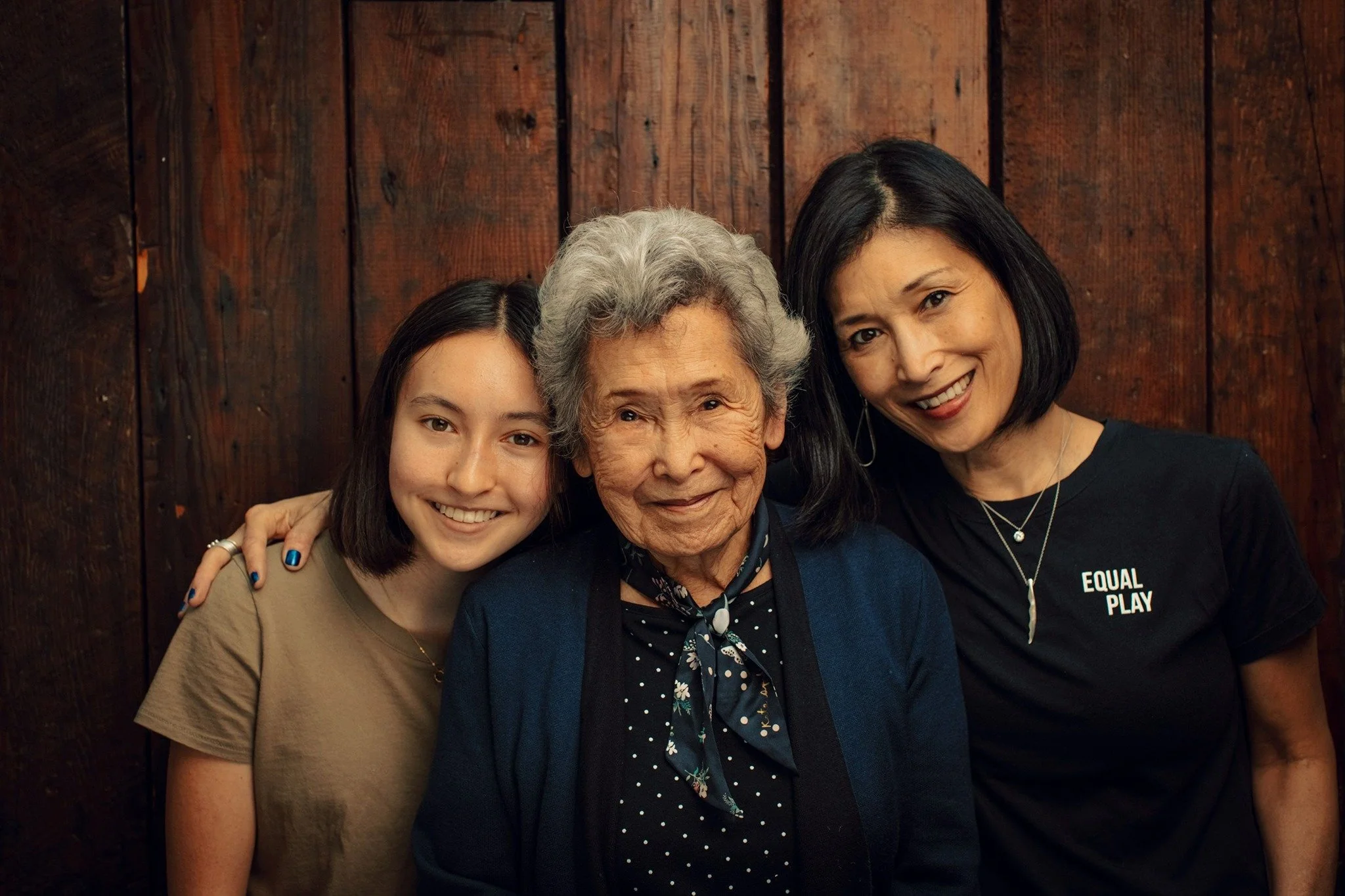
“My mom didn’t have that,” she says. “And she didn’t get to have it as a parent. So to see it now… it’s really special.”
——-

Mari
When asked what advice she would offer young people—especially those navigating spaces where they feel underrepresented—she doesn’t point to strategy or ambition.
She talks about perspective.
“Filter what you hear,” she says. “Not everything people tell you is right for you.”
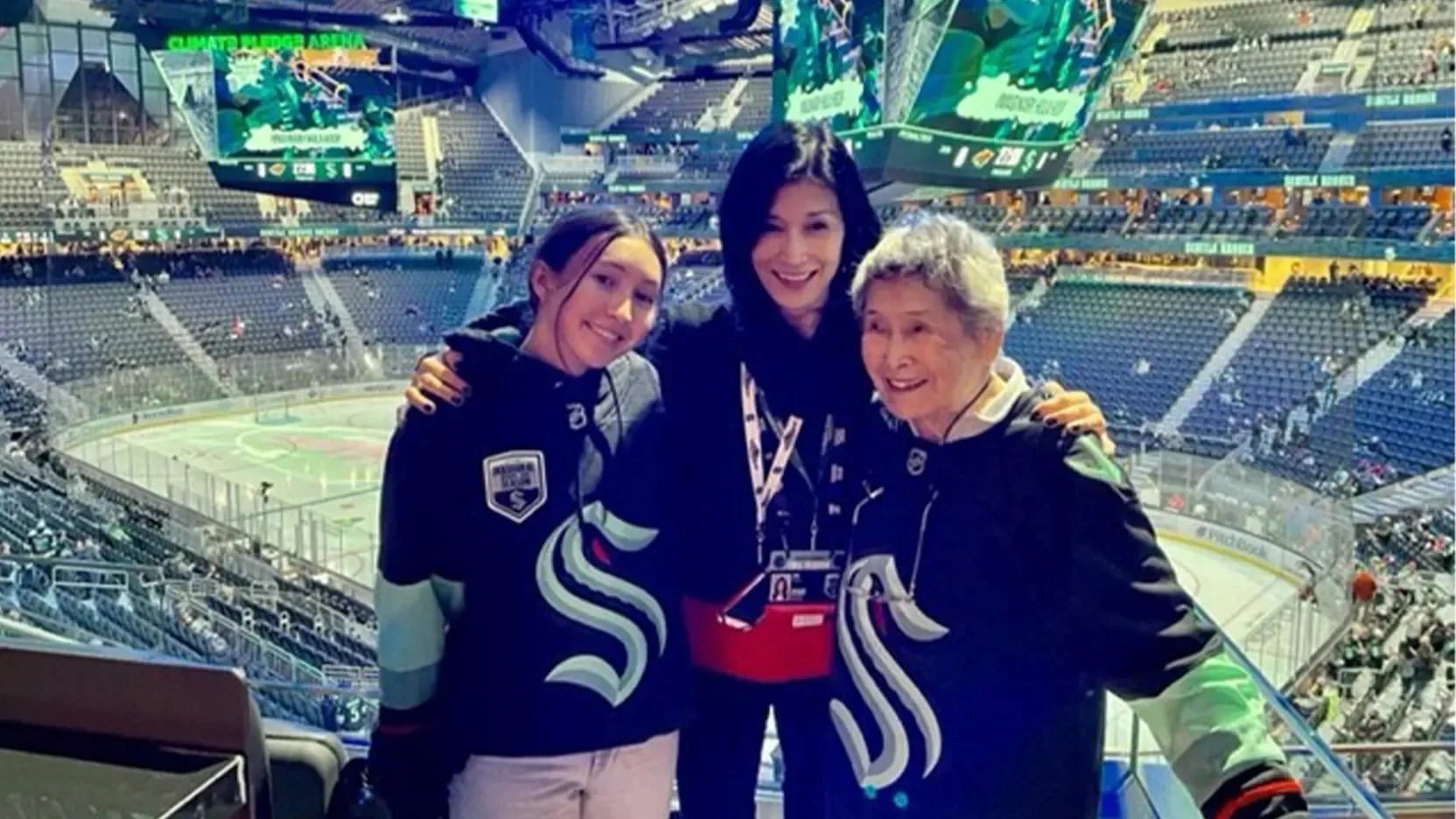
Mari Naomi Lillian
She emphasizes gratitude and grace, the importance of staying grounded in who you are rather than constantly comparing yourself to others.
“You can always change how you look at your life,” she says. “That changes everything.”
It’s a lesson rooted in her family’s history, her own winding path, and the work she does every day.
In a world that often feels chaotic and overwhelming, she believes in focusing on what can be changed—locally, collectively, and meaningfully.
“We can’t fix everything,” she says. “But we can do something here.”
And like the steady practice of a violinist returning to her instrument, again and again, that “something” adds up—note by note, story by story, life by life.